
About Tigoni
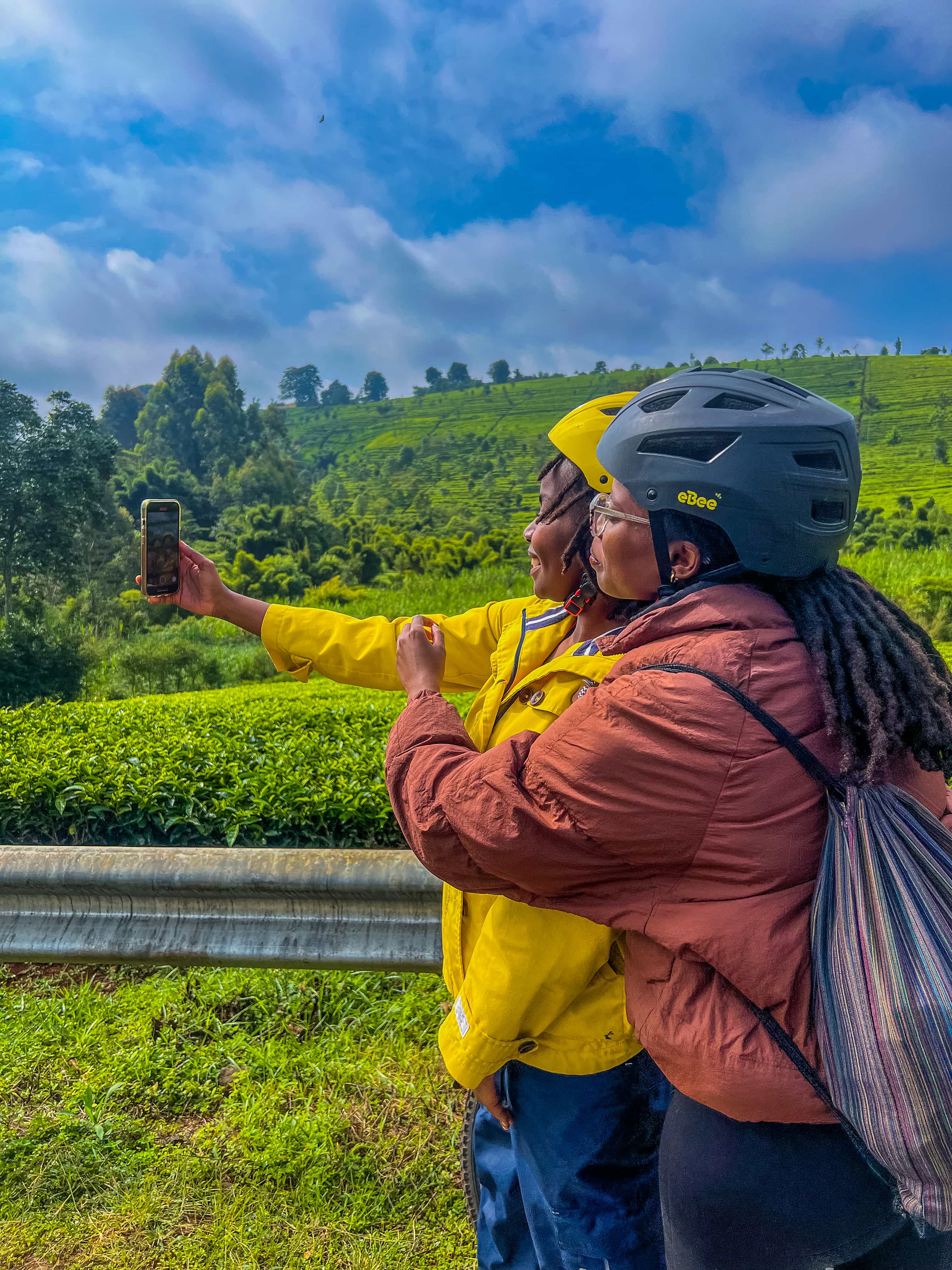
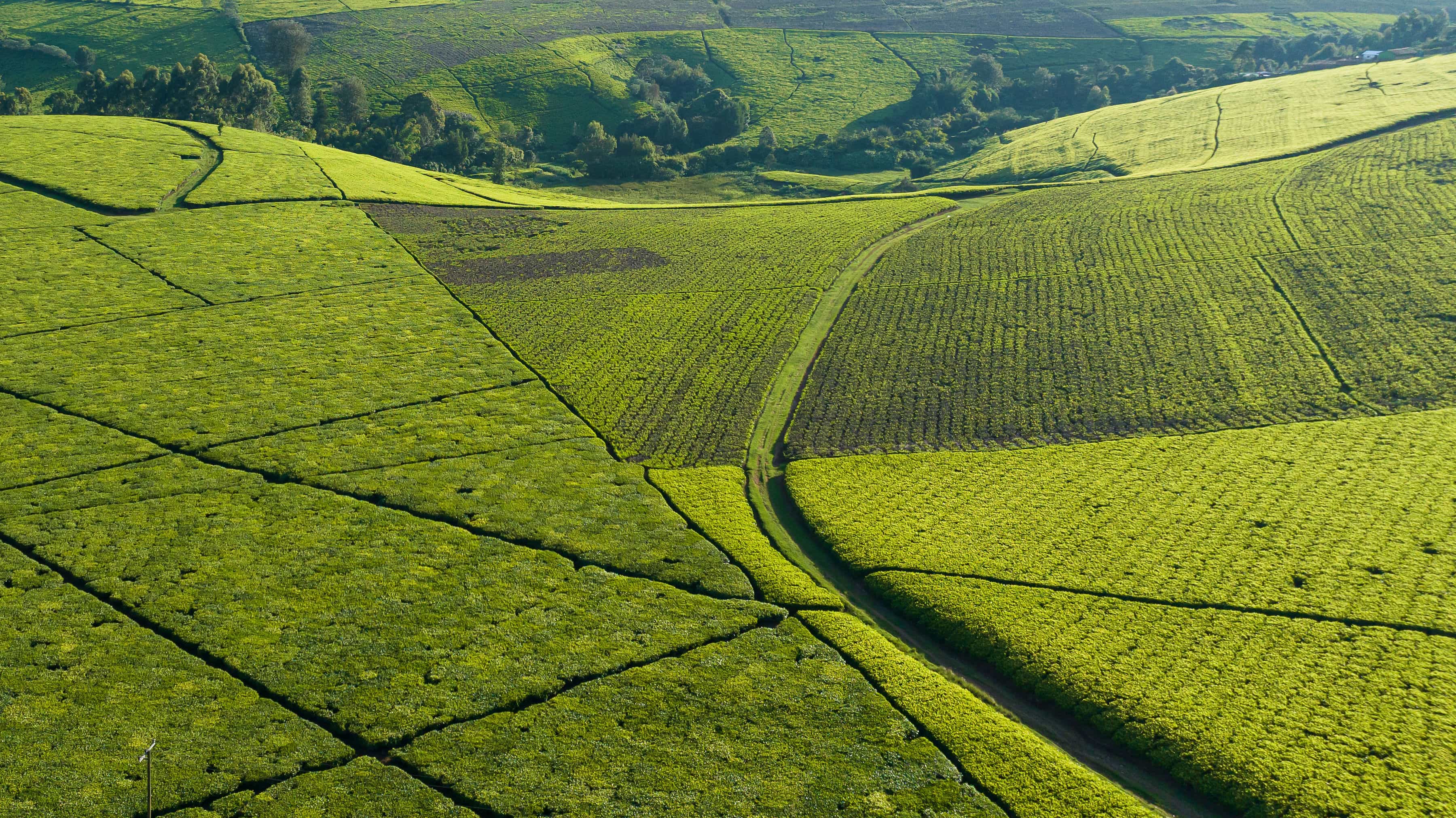
Tigoni is a quiet, green highland area in Kiambu County, Kenya, known for its rolling tea plantations, cool climate, and slow pace of life. Located just outside Nairobi, Tigoni has long been associated with tea growing, fertile land, and peaceful rural landscapes — qualities that continue to shape how the area looks, feels, and is experienced today.
Locally, Tigoni is often referred to as “the richest village in Africa” — a phrase commonly used to describe the area’s concentration of high-value agricultural land, established tea estates, and long-held family farms. While this description is informal rather than statistical, it reflects how Tigoni has historically been perceived in terms of land wealth, productivity, and legacy rather than urban development.
The Highlands
Exploring Tigoni
Where Exactly Is Tigoni?
Tigoni is located in Kiambu County, along the Limuru–Naivasha Road, approximately 40–50 minutes northwest of Nairobi, depending on traffic.
Rather than being a single town centre, Tigoni refers to a wider highland area made up of:
- Tea estates and farms
- Forest edges and walking trails
- Small settlements and farm homesteads
This is why Tigoni may appear differently on maps and descriptions — it is best understood as a region, not a town.
The Origin of the Name “Tigoni”
The name Tigoni is widely understood locally to be derived from the phrase “Tea Growing Area.”
As tea farming expanded in the region in the early 20th century, the term Tea Growing came into common use when referring to the area. Over time, and through everyday local pronunciation, Tea Growing evolved into Tigoni — a name that was easier to say, remember, and use in conversation.
While this explanation comes from local oral history rather than formal documentation, it remains the most widely accepted and repeated account among residents and tea-farming families in the area.
Tigoni and the History of Tea
Tigoni holds an important place in the history of tea in Kenya.
- Tea was first grown experimentally in Tigoni in 1903, marking one of the earliest introductions of tea cultivation in the country.
- In 1910, the first commercial tea farm, Kiambethu Tea Farm, was established by A.B. McDonnell.
- The success of tea farming in Tigoni later influenced the expansion of tea cultivation across other highland areas of Kenya.
This early history explains why Tigoni remains deeply associated with tea
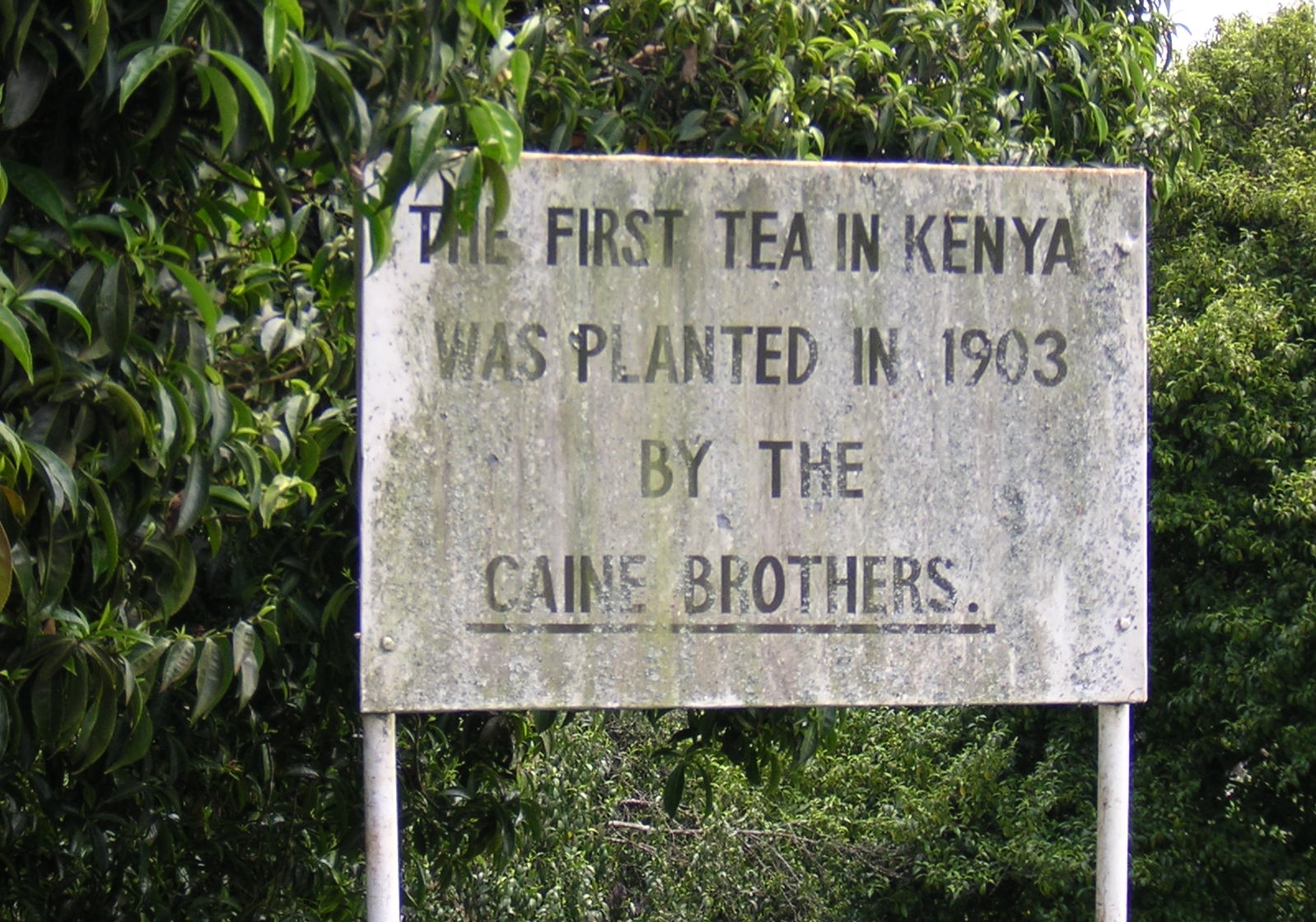
By bandabarn, CC BY 2.0, https://commons.wikimedia.org/w/index.php?curid=35732143
Is Tigoni a Town, a Village, or a Region?
Tigoni is a region.
There is no distinct urban town centre in Tigoni. Instead, the name is used locally to describe a broader tea-growing landscape within the greater Limuru area. Historically and socially, Tigoni has been defined more by land use and environment than by administrative boundaries.
Climate, Landscape, and Why Tigoni Feels the Way It Does
Tigoni sits at an elevation of approximately 2,100 metres above sea level, giving it a cooler climate than Nairobi and much of central Kenya.
This elevation contributes to:
- Misty mornings
- Mild daytime temperatures
- Fertile volcanic soils
- Lush green landscapes throughout the year
The combination of altitude, rainfall, and soil quality makes Tigoni ideal for tea growing and small-scale farming, shaping the calm, green environment visitors experience today.
What Is Tigoni Known For Today?
Today, Tigoni is known for:
- Rolling tea plantations
- Quiet walking trails and nature walks
- Farm-to-table food experiences
- Wellness retreats and spas
- Peaceful stays close to Nairobi
Rather than large-scale tourism, Tigoni has developed a reputation for slow, nature-based experiences that appeal to visitors seeking calm, space, and authenticity.
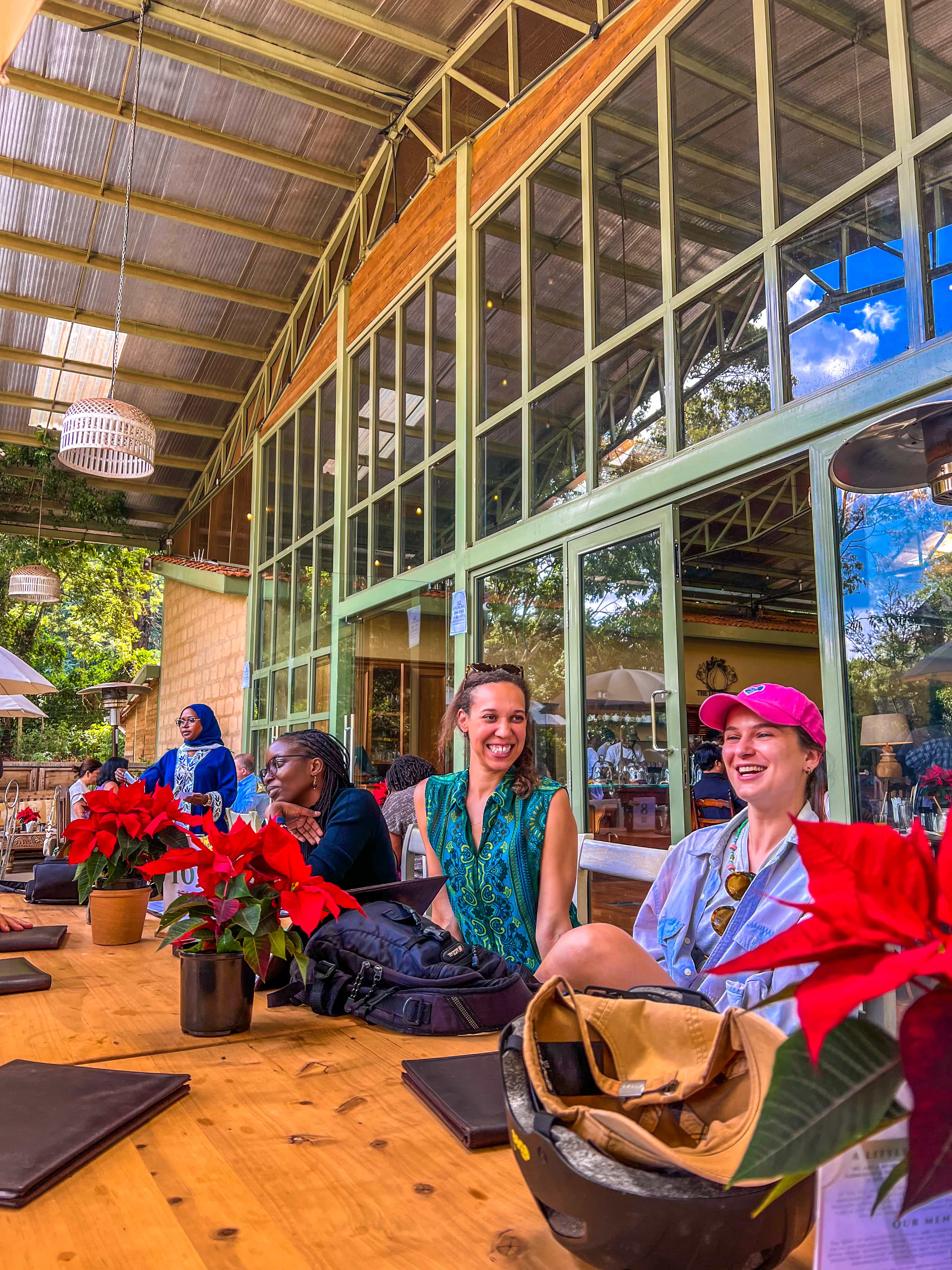
What Is Tigoni Known For Today?
The Emergence of Tourism in Tigoni
Tourism in Tigoni is a recent and organic development.
As Nairobi has grown busier, more people have begun seeking nearby escapes that offer:
- Nature without long travel
- Cooler weather
- Quiet, uncrowded spaces
This has led to the emergence of guided tea farm walks, wellness and spa experiences, curated stays and retreats, and day trips. Tourism in Tigoni remains small-scale and experience-led, closely tied to the land and local partners.
Our Role in Tigoni Tourism
Tigoni Guide exists to:
- Curate authentic experiences
- Provide accurate, updated information
- Help visitors plan meaningful visits
- Support responsible, low-impact tourism
We focus on what can genuinely be experienced, rather than repeating unverified claims or exaggerated narratives. Our guides are based on firsthand exploration, local knowledge, and continuous updates.