

How Tea Has Evolved In China, Japan, India & Kenya
Tea is one of the world’s most beloved beverages, with a history that spans thousands of years and crosses continents. From ancient forests in China to ceremonial traditions in Japan, vibrant street culture in India, and thriving tea farms in Kenya, tea has evolved into a powerful symbol of culture, connection, and experience.
In this guide, we explore how tea has developed in China, Japan, India, and Kenya, and how each region has shaped the global tea story.
🇨🇳 China: The Birthplace of Tea
China is widely recognized as the origin of tea, where the plant Camellia sinensis first grew naturally in the forests of Yunnan Province over 4,700 years ago.
In regions like Xishuangbanna, tea remains deeply connected to nature and tradition. Visitors often seek out Pu’erh tea, one of the most prized and collectible teas in the world.
Tea cultivation in China varies from:
- Wild tea trees growing in mountainous forests
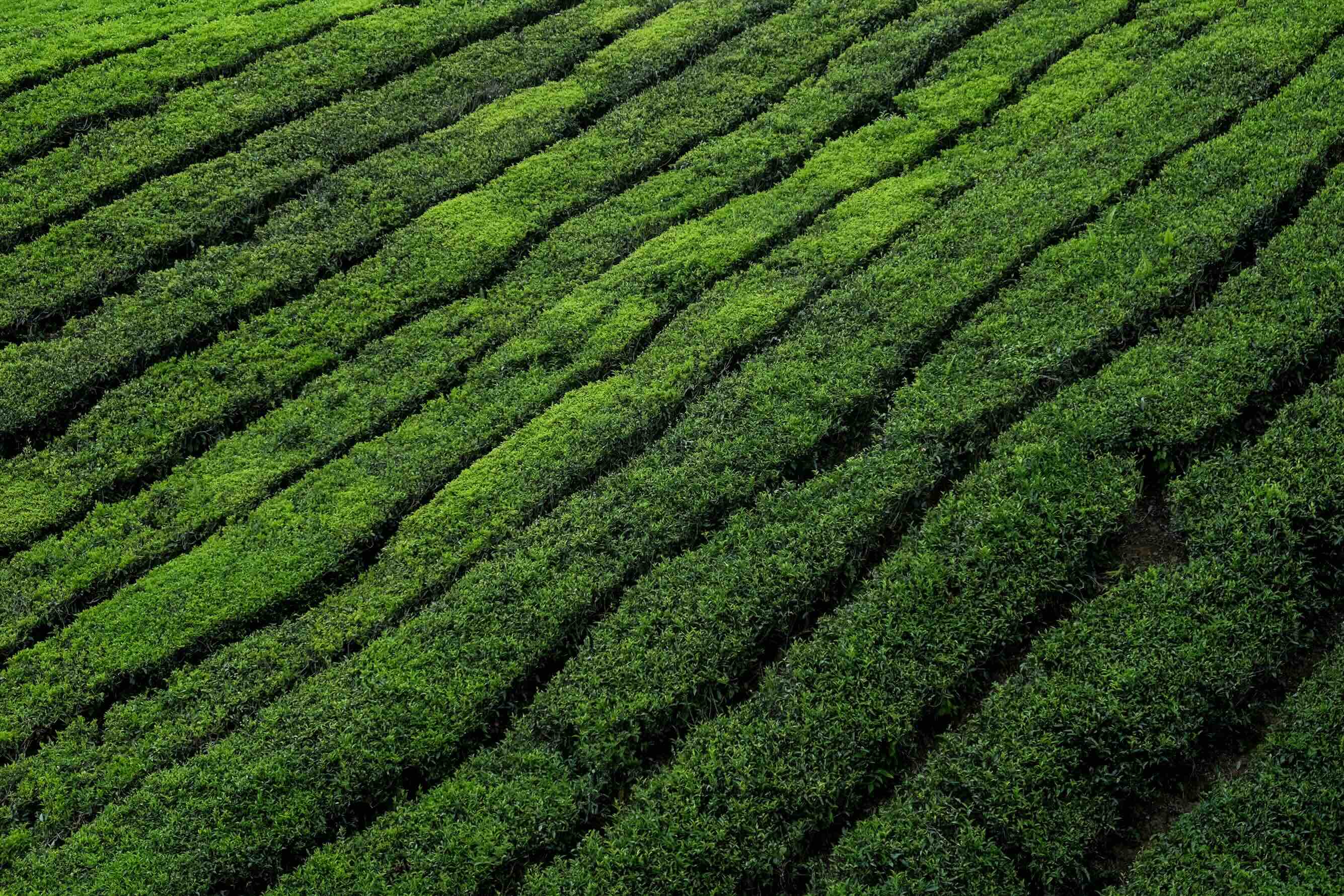
- Carefully maintained bushes on terraced hillsides
Tea is harvested by hand, preserving both quality and tradition.
🌿 Tea in Chinese Culture
Tea plays a central role in Chinese philosophy and daily life:
- Confucianism: Tea encourages self-reflection and understanding
- Buddhism: Used to enhance focus and meditation
- Taoism: Seen as part of the path to balance and longevity
Today, tea continues to connect people to nature and remains an essential part of everyday life across all social levels.
🇯🇵 Japan: The Art of the Tea Ceremony
In Japan, tea evolved into a refined cultural practice known as Chanoyu, or the traditional tea ceremony.
This ritual is centered around four core principles:
- Harmony
- Respect
- Purity
- Tranquility
During the ceremony, powdered green tea (matcha) is prepared with precision and intention. Every movement is deliberate, creating a calm and meditative experience.
🍵 The Japanese Tea Experience
Tea ceremonies are typically held in traditional tea rooms (chashitsu), which feature:
- Minimalist design
- Tatami mats
- Carefully maintained gardens
The focus is not just on drinking tea, but on appreciating beauty, mindfulness, and the present moment.
🇮🇳 India: Chai Culture and Tea Diversity
India has developed one of the most vibrant and social tea cultures in the world, centered around chai.
☕ The Culture of Chai
Masala chai—a blend of black tea, milk, and spices like cardamom, ginger, and cinnamon—is enjoyed across the country.
- Sold by street vendors in small cups
- Shared in homes, offices, and markets
- A symbol of warmth, hospitality, and community
🌱 India’s Premium Tea Regions
India is also known for its high-quality tea production:
- Darjeeling: Light, floral black teas often called the “champagne of teas”
- Assam: Strong, malty teas with bold flavor
Together, these regions contribute to India’s rich and diverse tea heritage.
🇰🇪 Kenya: A Modern Tea Powerhouse
Kenya’s tea culture is a dynamic blend of tradition, innovation, and global influence, with black tea at its core.
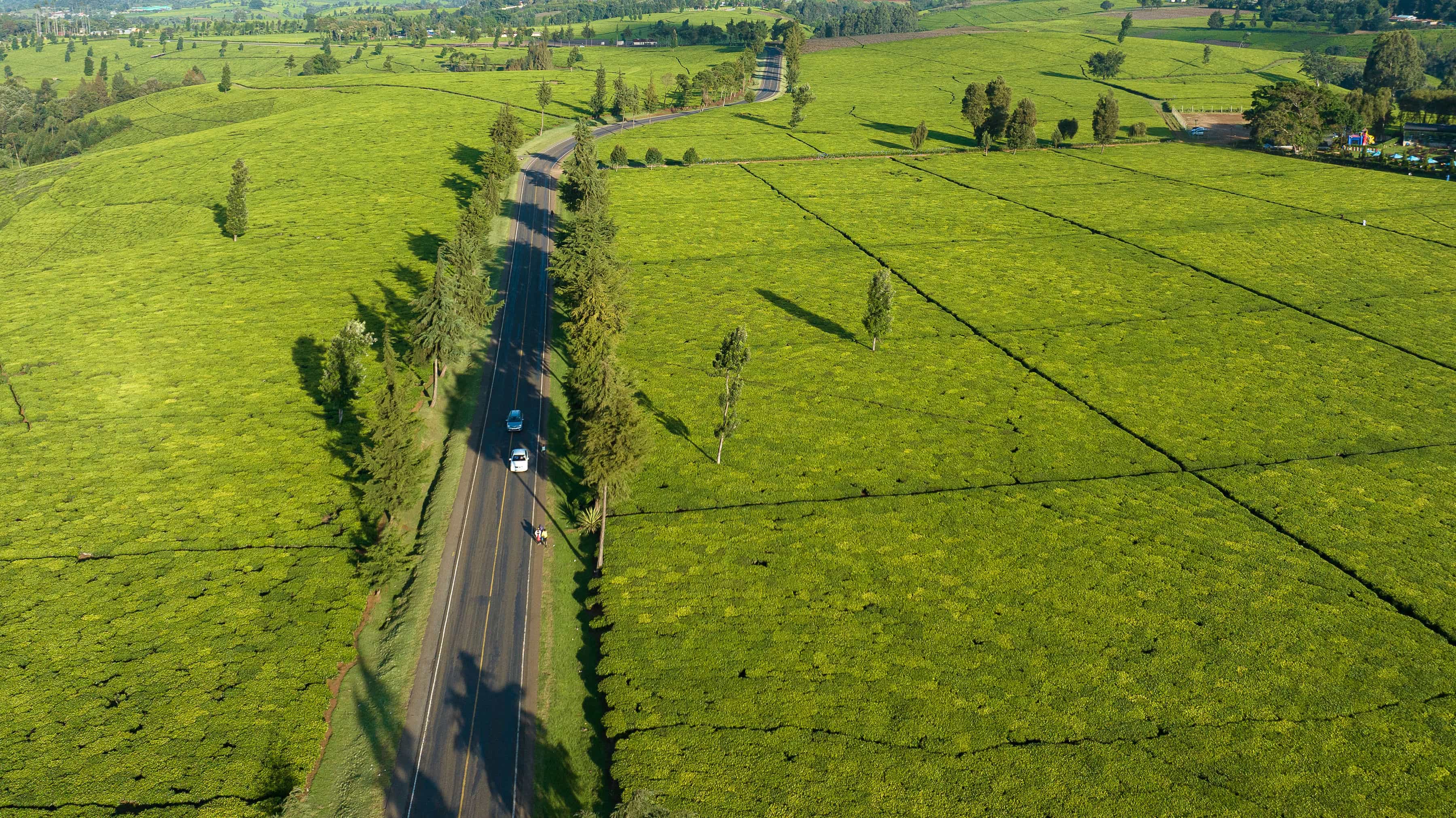
Tea was introduced during the colonial era in regions like Limuru, and today Kenya is one of the largest tea producers and exporters in the world.
🌿 Kenyan Tea Identity
Kenyan black tea is known for:
- Strong, bold flavor
- Bright amber color
- Consistent high quality
Tea is widely consumed across the country, often served with:
- Milk and sugar
- Spices influenced by Indian chai traditions
This combination reflects Kenya’s diverse cultural influences.
🌍 Global Influence and Tea Tourism in Kenya
Kenya’s tea industry has evolved beyond production into tea tourism, inspired by global tea cultures in countries like China and Japan.
Visitors can now:
- Tour tea farms
- Learn about tea processing
- Participate in tea tasting experiences
These immersive experiences are helping position Kenya as a top tea tourism destination.
The country’s reputation for producing high-quality orthodox and specialty teas, including purple tea, has also increased global interest.
🔄 The Evolution of Tea in Modern Times
Tea continues to evolve with changing lifestyles and global trends:
- Rise of artisanal and specialty teas
- Growing interest in wellness teas and herbal infusions
- Popularity of modern drinks like bubble tea
Today, tea is no longer just a traditional beverage—it is a global lifestyle experience.
🌿 Final Takeaway
The journey of tea across China, Japan, India, and Kenya reflects a rich tapestry of culture, history, and innovation.
- China gave tea its origin and philosophical depth
- Japan refined it into an art form
- India transformed it into a social ritual
- Kenya evolved it into a global industry and tourism experience
Tea is more than a drink—it is a universal language of connection, bringing people together across cultures and generations.