
What Happens During A Tea Tour?
During a tea tour, visitors walk through tea plantations, learn how tea is grown and processed, try tea picking, and finish with a guided tea tasting.
It’s a hands-on journey that takes you from the field all the way to the cup.
Walking through the tea fields
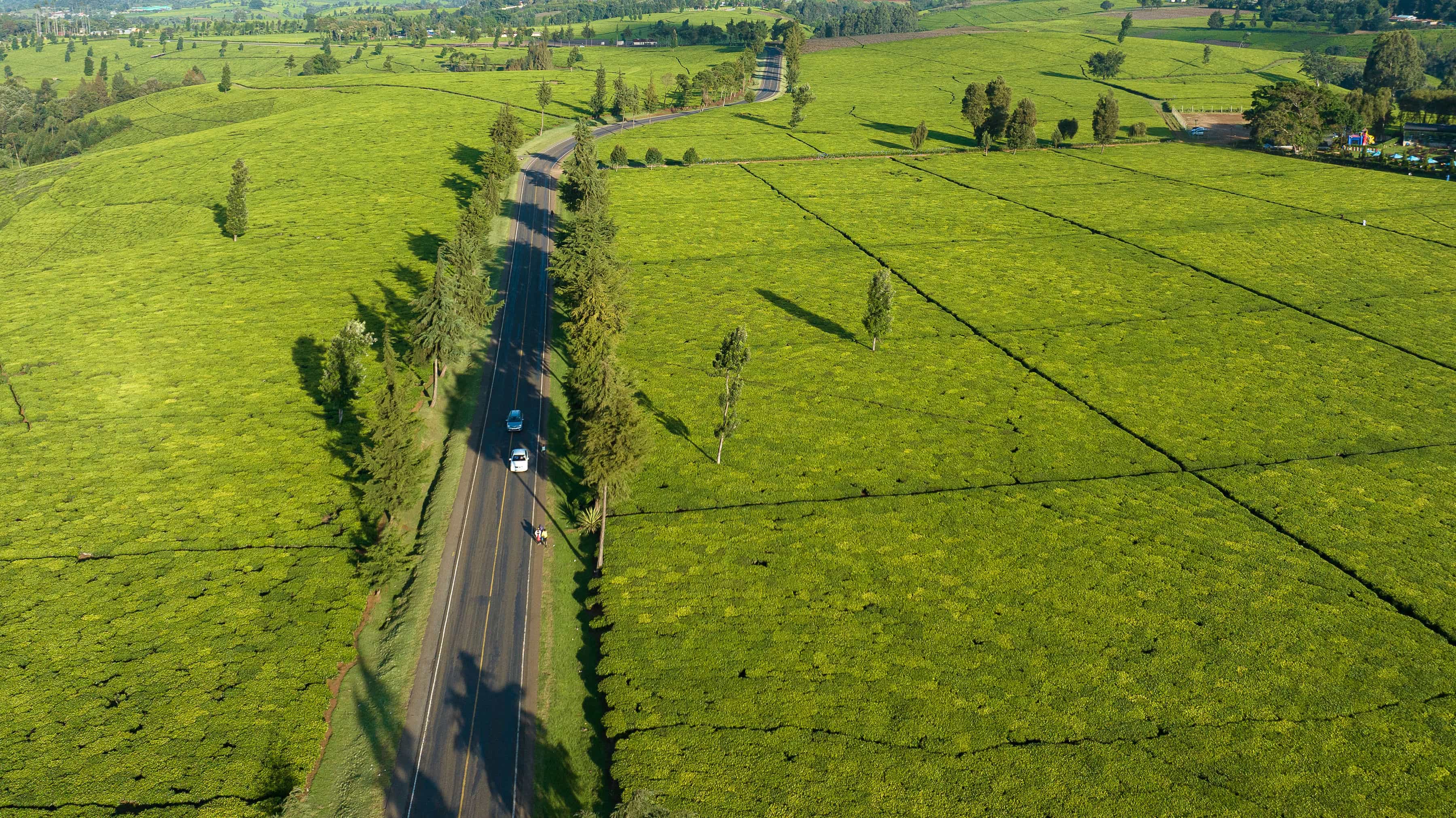
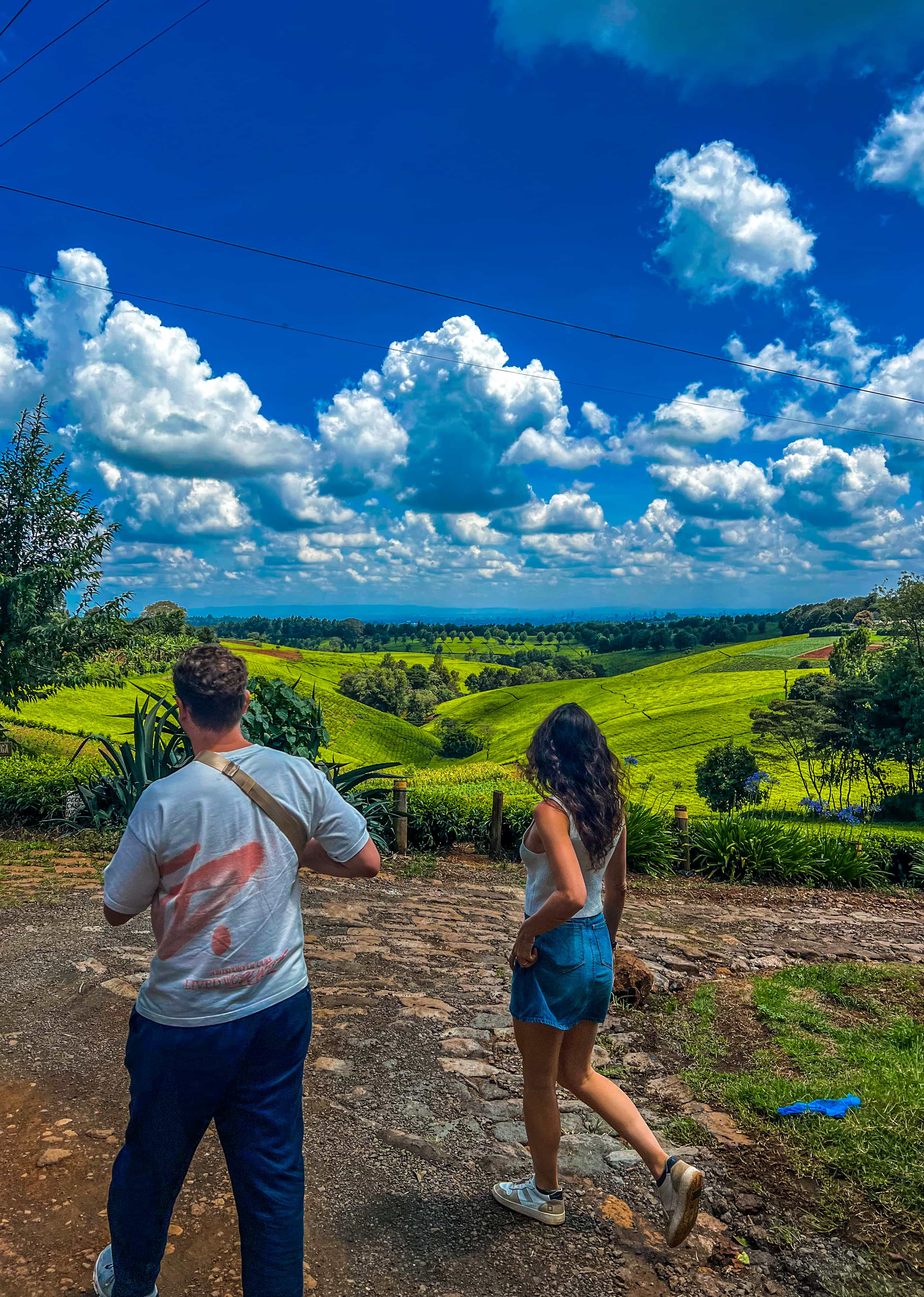
In regions like Tigoni and Limuru, a tea tour usually begins with a guided walk through lush green plantations.
Here, guides explain how tea is cultivated—covering soil, altitude, climate, and the different types of tea grown in Kenya. The landscape itself becomes part of the lesson, with rolling hills stretching as far as the eye can see.
Learning to pick tea
One of the most memorable parts of the experience is tea picking.
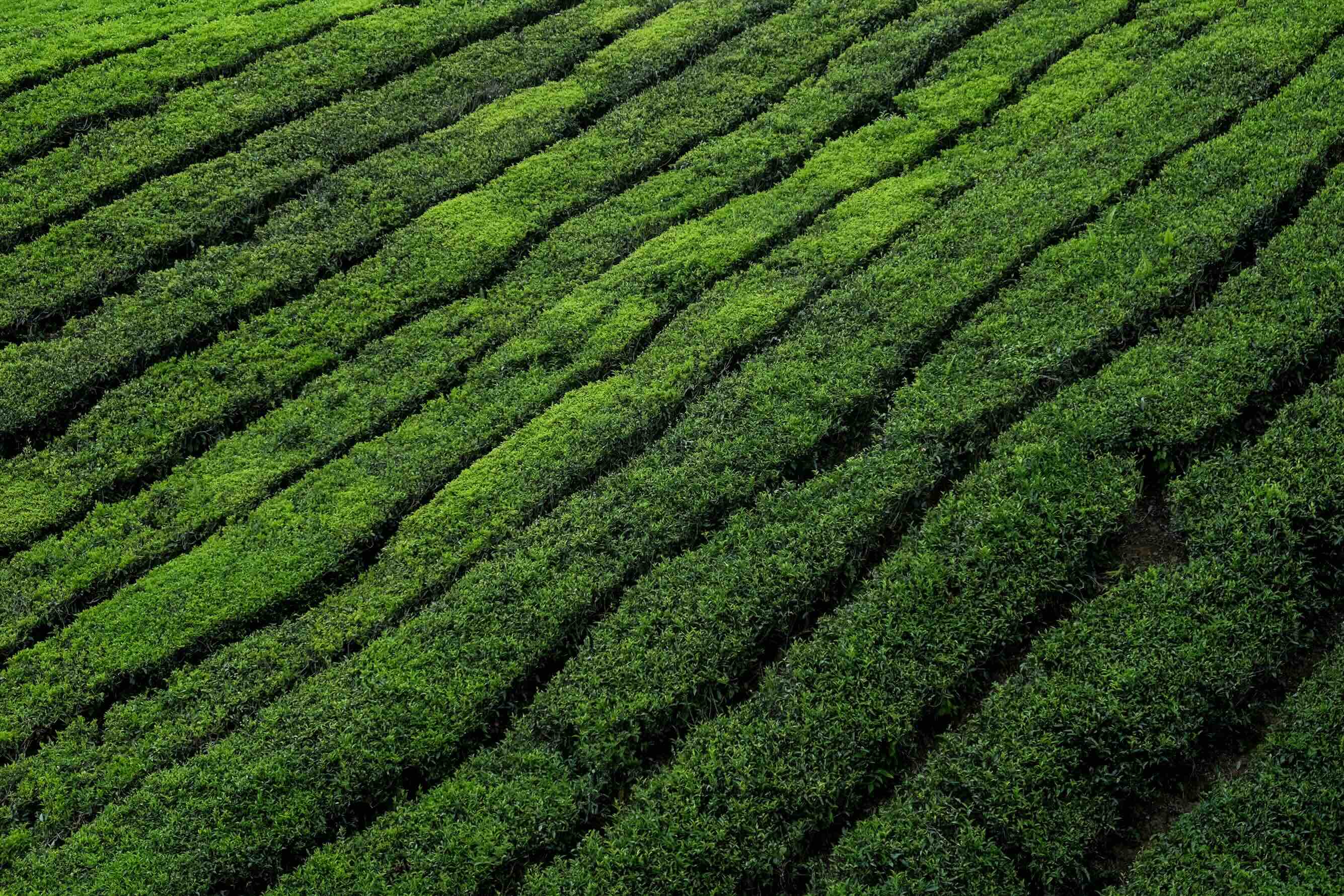
Visitors are shown the traditional method of harvesting—selecting “two leaves and a bud”—and often get to try it themselves. This hands-on moment gives a deeper appreciation for the skill and precision required to produce high-quality tea.
At places like Ravenswood Farm, this part of the tour feels especially personal, connecting you directly with the rhythm of the farm.
Understanding how tea is processed
After the fields, the focus shifts to what happens after harvesting.
Depending on the farm, you may observe or learn about processing methods such as withering, rolling, oxidation, and drying. Some tours also introduce techniques like CTC (cut, tear, crush), which are used to produce certain types of tea.
This stage helps you understand how the same leaf can become different teas—black, green, or even purple—based on how it’s handled.
Tea tasting: the final step
The experience usually concludes with a tea tasting session.
Here, you sample freshly prepared teas while learning about flavor profiles, brewing methods, and quality. Farms like Kiambethu Tea Farm and Gatura Greens often make this a central, guided experience.
It’s the moment where everything comes together—the taste reflecting everything you’ve just seen.
Beyond tea: nature, culture, and rest
Many tea tours go beyond the basics.
Some include walks through indigenous forests, insights into local history, or even wildlife sightings. Others end with a farm-to-table meal or refreshments, allowing you to sit, reflect, and take in the views.
Being so close to Nairobi, these experiences offer a rare balance—accessible, yet deeply immersive.
The rhythm of the experience
A tea tour isn’t rushed.
It moves slowly, deliberately—like the growth of tea itself. And in that slowness, you begin to notice more: the texture of leaves, the silence between hills, the story behind every cup.