What Is Purple Tea? Kenya’S Unique Super Tea Explained
Purple tea is a rare and powerful variety of tea grown in Kenya, known for its distinct purple leaves, high antioxidant content, and smooth floral taste—making it one of the most unique teas in the world.
🌿 What Exactly Is Purple Tea?
Purple tea comes from the plant Camellia sinensis var. Assamica, the same plant used for green and black tea. What makes it special is a natural genetic mutation that produces anthocyanins—the same antioxidants found in blueberries.
This gives the leaves their purple hue and boosts their health benefits far beyond most traditional teas.
📍 Where Is Purple Tea Grown?
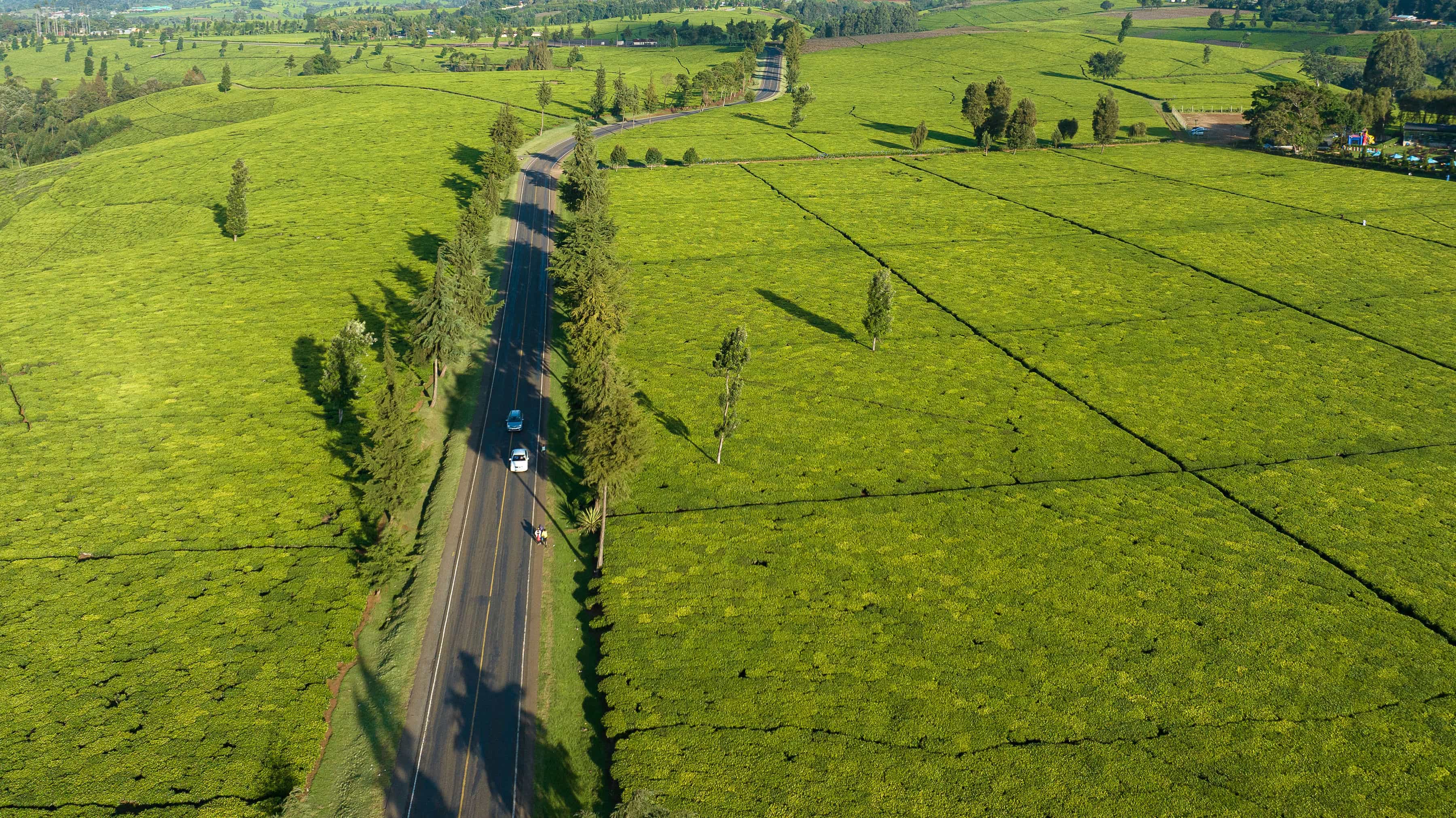
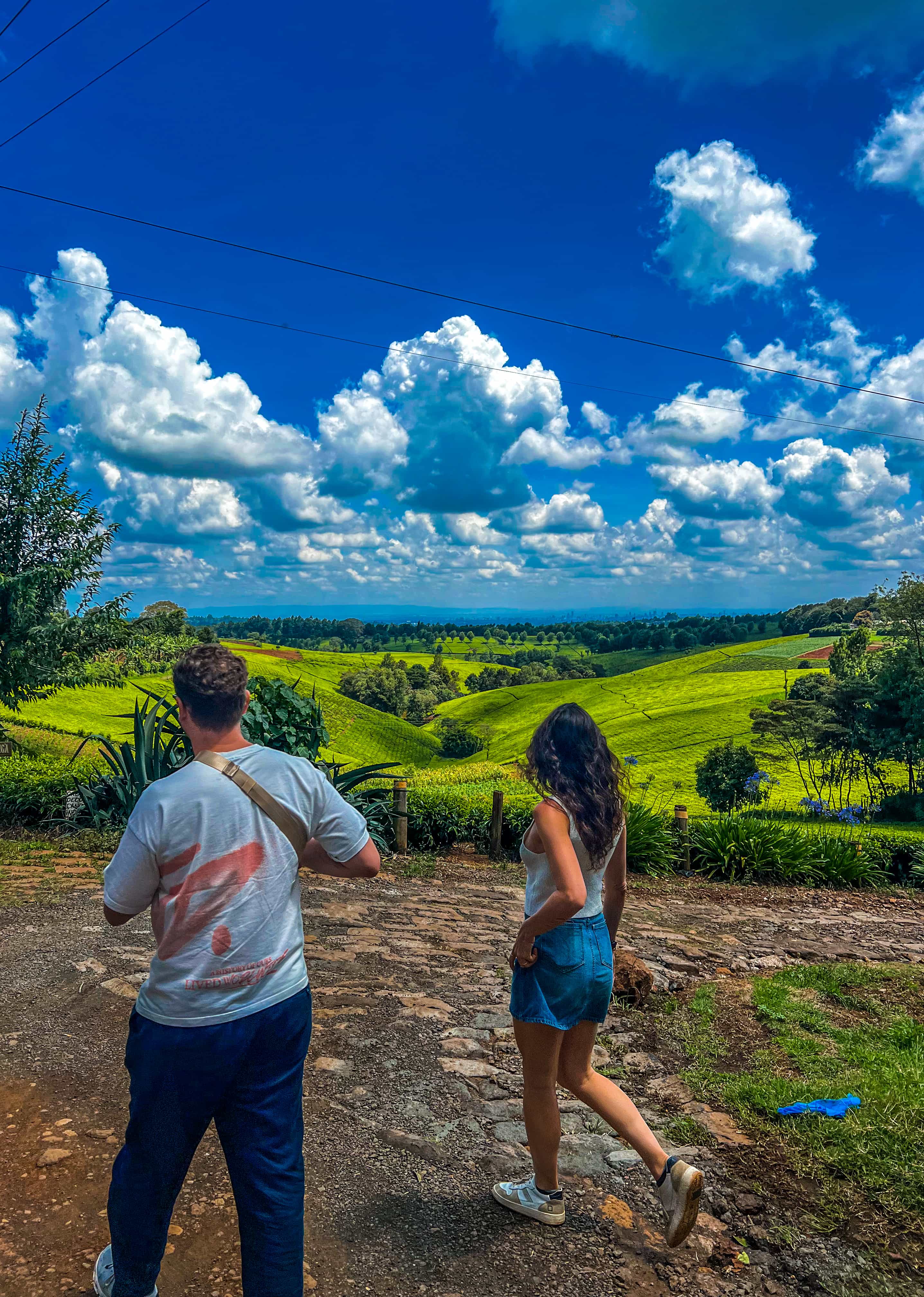
Purple tea is primarily grown in Kenya’s high-altitude tea regions, including areas like Tigoni and the Aberdare ranges.
These regions provide ideal conditions:
- Altitudes between 1,500 and 2,700 meters
- Consistent rainfall
- Rich volcanic soils
- 8–9 hours of sunshine daily
The first commercial purple tea farm was established in Kenya in 2008, making the country a global leader in purple tea production.
🌱 What Makes Purple Tea Different?
Purple tea stands out from green and black tea in several key ways:
- High in anthocyanins (up to 15x more than blueberries)
- Lower bitterness and smoother taste
- Rich in polyphenols (powerful plant antioxidants)
- Naturally lower caffeine release
👉 In simple terms: it’s healthier, smoother, and more unique than most teas.
👅 What Does Purple Tea Taste Like?
Purple tea offers a light, floral, and slightly woody flavor with low astringency.
- Smooth and gentle on the palate
- Slight natural sweetness
- Less bitter than green or black tea
- Often described as a “soft, floral whisper”
It’s perfect for people who find traditional teas too strong.
💜 Health Benefits of Purple Tea
Purple tea is often considered a super tea due to its wide range of health benefits:
🛡️ Rich in Antioxidants
Contains high levels of anthocyanins that help fight free radicals and reduce the risk of chronic diseases.
❤️ Supports Heart Health
Helps lower bad cholesterol (LDL) and improves cardiovascular function.
⚖️ Aids in Weight Management
Boosts metabolism and may help reduce fat absorption.
🌸 Good for Skin
Supports hydration, reduces inflammation, and promotes healthy, glowing skin.
🧬 Anti-Aging Properties
Helps protect collagen and improve skin elasticity.
⚡ Does Purple Tea Have Caffeine?
Yes—but less than many other teas.
Purple tea releases caffeine more slowly, giving you:
- A gentle energy boost
- No sharp spikes or crashes
- A calmer, more balanced experience
🍃 Experience Purple Tea in Tigoni
One of the best ways to experience purple tea is by visiting a tea farm in Tigoni, just outside Nairobi.
Here, you can:
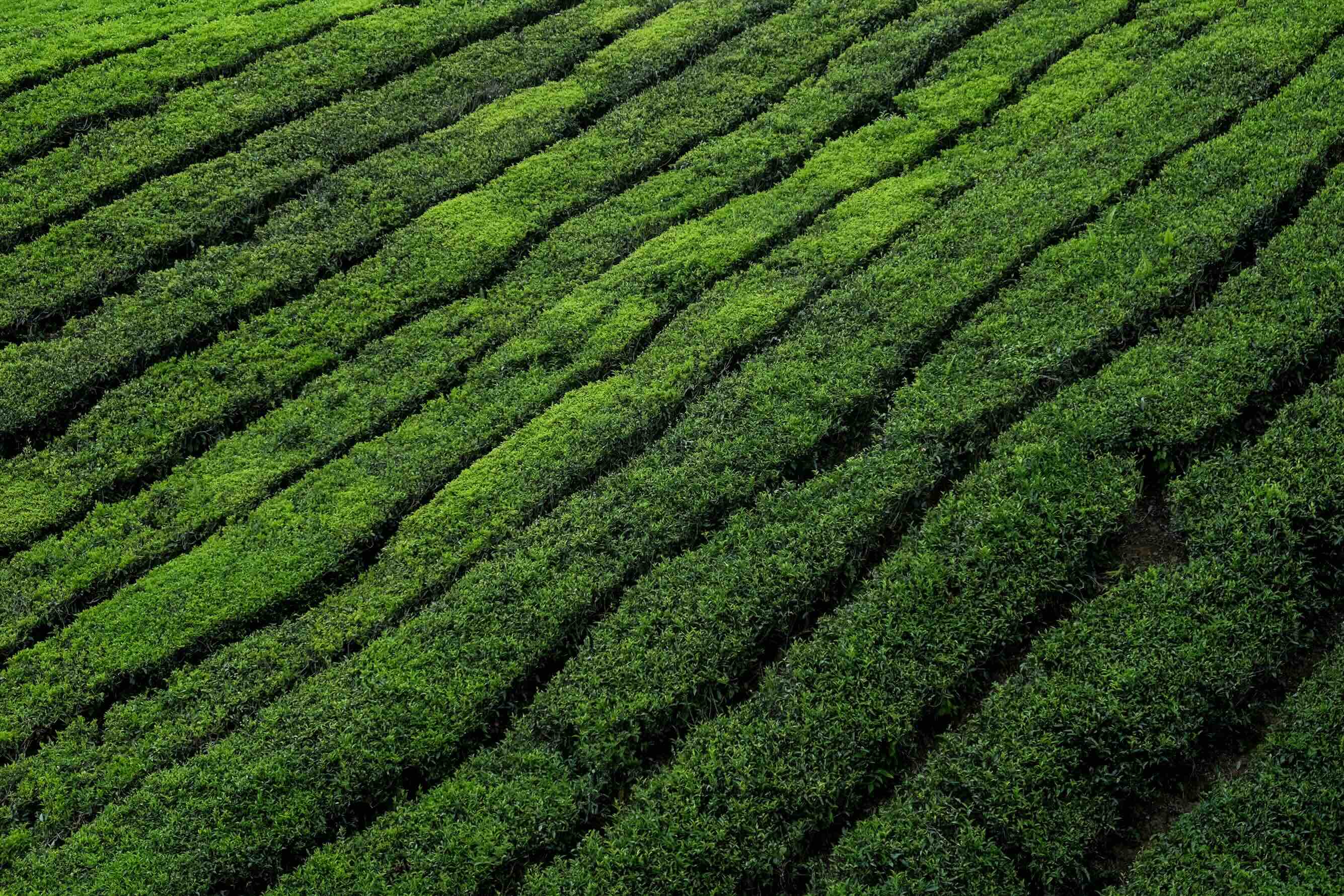
- Walk through scenic tea plantations
- Learn how tea is grown and processed
- Taste multiple tea varieties, including purple tea
- Enjoy a relaxing countryside experience
👉 It’s not just a drink—it’s a full cultural experience.
❓ Frequently Asked Questions About Purple Tea
Is purple tea better than green tea?
Purple tea contains higher levels of antioxidants and is less bitter, making it a great alternative to green tea.
Does purple tea help with weight loss?
It may support weight management by boosting metabolism and reducing fat absorption when combined with a healthy lifestyle.
Where can I buy purple tea in Kenya?
You can find purple tea at local farms, specialty tea shops, and major retail outlets across Kenya.
Why is purple tea purple?
Its color comes from anthocyanins, the same natural compounds found in blueberries.
Can I drink purple tea every day?
Yes—purple tea is safe for daily consumption and can be part of a healthy routine.
✅ Final Takeaway
Purple tea is one of Kenya’s most exciting and unique agricultural innovations—a flavorful, antioxidant-rich tea that combines wellness, culture, and experience.
Whether you’re tasting it for its health benefits or discovering it on a tea farm in Tigoni, purple tea offers something truly special that sets it apart from every other tea in the world.